








Window glass transparent LED Technical & Commercial Usage Comparison: Invisible Film, Skyline Acrylic, Mirage Grid PCB and Glassit Cabinet Transparent LED Display (2026 Update)
Click:
Pixel pitch resolution (2.5mm-20mm), transparency (60–90%), brightness (1500–10,000 nits), IP rating, front/rear service access, average lifespan (80,000–100,000 hrs), Installation and total cost of ownership — tailored for procurement managers and digital signage decision-makers.
Window glass advertising transparent video solutions comparison:
Invisible Film, Skyline Acrylic, Mirage Grid and Glassit Cabinet Outdoor Transparent LED Displays
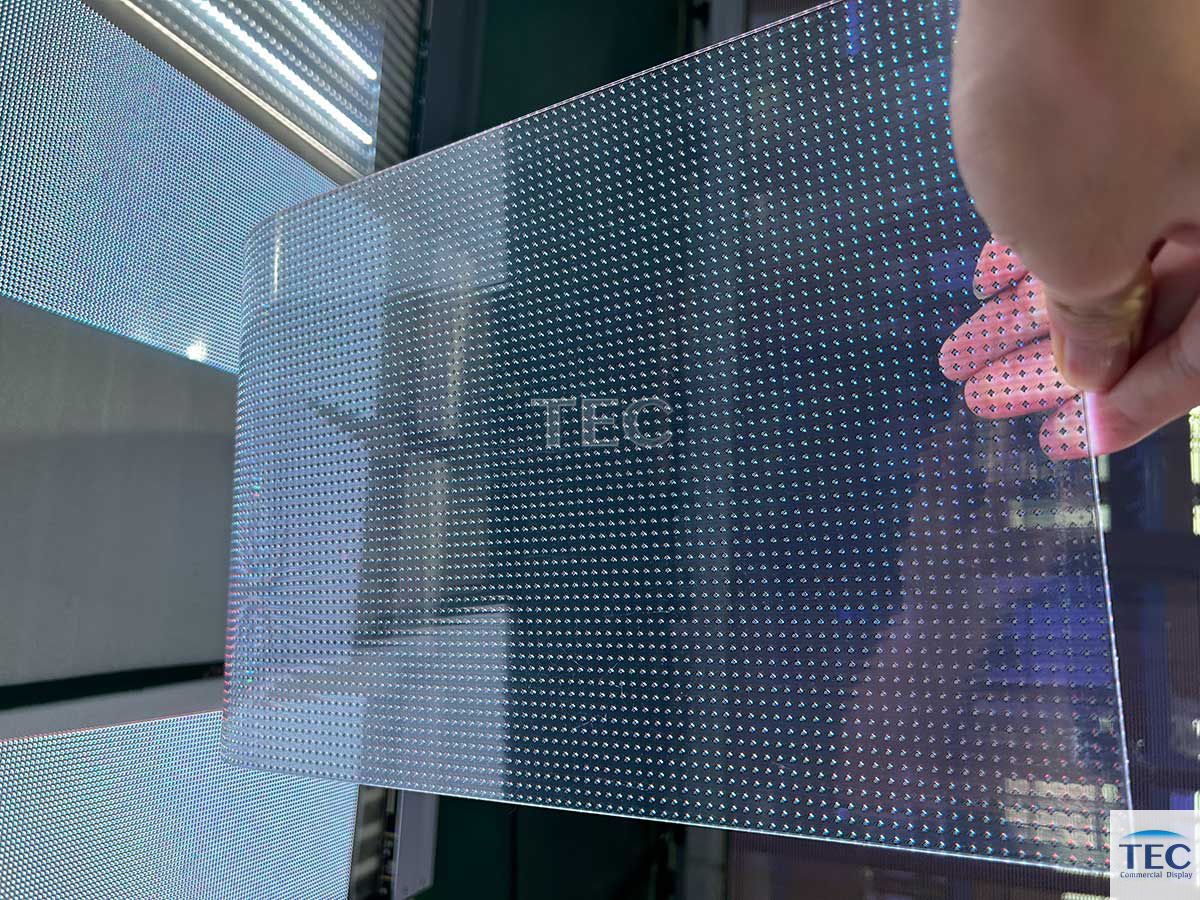
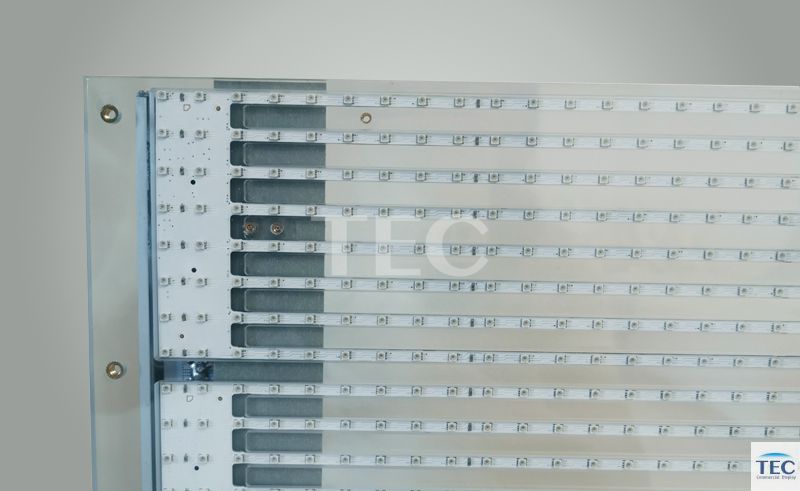
Invisible Self-adhesive fim LED Screen Skyline acrylic sticking strip adhesive LED display
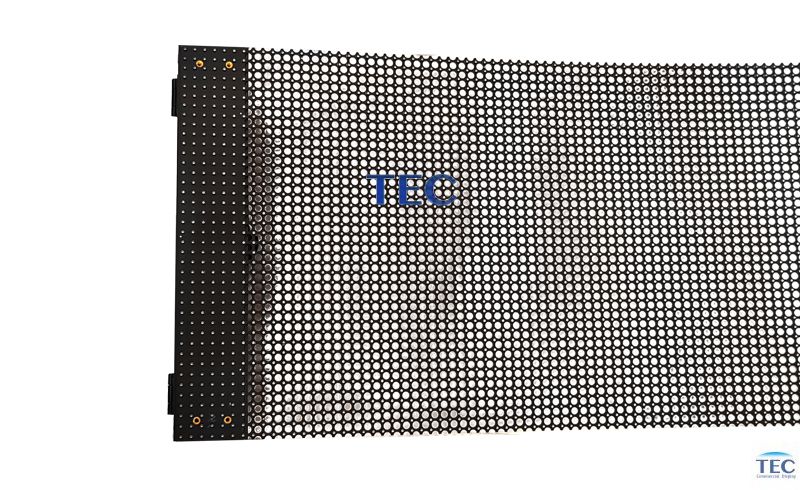
Mirage Grid Self-adhesive transparent LED Screen Glassit Cabinet outdoor transparent LED display

Technical & Commercial App Comparison: Invisible Film, Skyline Acrylic, Mirage Grid and Glassit Cabinet Transparent LED Displays (2026 Update)
As digital signage evolves toward seamless integration with architectural environments, transparent display technologies have matured significantly — particularly across three dominant form factors: invisible film-based LEDs, acrylic-encapsulated transparent LEDs, and modular cabinet-style transparent LED displays. This 2026 benchmarking analysis delivers an objective, procurement-ready evaluation across six mission-critical KPIs: optical transparency, luminance output, ingress protection (IP) rating, service access methodology, operational lifespan, and total cost of ownership (TCO). All data reflect verified product specifications published by Tier-1 manufacturers and third-party validation reports as of Q2 2026.
Transparency Performance (60–90% Range)
Transparency remains the defining functional parameter for architectural-grade transparent displays. Invisible film solutions achieve the highest nominal transparency — typically 85–90% at standard 16:9 aspect ratios — due to ultra-thin (<0.3 mm) PET substrate construction and sub-millimeter pixel pitch (P2.75–P3.9mm,6mm, 10mm,20mm).
Skyline Acrylic-integrated units deliver 70–80% transparency, constrained by light-scattering within the polymer matrix and structural reinforcement layers. Pitch from 4/8mm, 5/10mm,6.5mm, 10mm, 20mm with higher transparency.
Mirage grid PCB video wall 70-85% transparency, and fee more transparent when you see them from 3-4 meters away, this is more advntage for 3D video performace with higher pixel pitch (P2.5–P3.9mm,6.25mm,10mm)
Glassit Cabinet-style transparent led wall systems, built on aluminum frames with discrete LED modules mounted on perforated steel mesh, offer the lowest baseline transparency (60–75%), though advanced grid layouts and high-transmittance mesh substrates have narrowed this gap in 2026-generation models. pixel pitch from 3.9/7.8mm, 5/10mm, 10.4mm, 15mm.
Brightness & Environmental Adaptability (1500–10,000 Nits)
Brightness directly correlates with ambient visibility and energy consumption.
Cabinet transparent LED displays lead in peak luminance, consistently delivering 4500–10,000 nits — essential for sunlit façades and high-glare retail atriums.
Skyline Acrylic LED sticking film variants operate within 2000–4500 nits, benefiting from light-guiding properties that enhance perceived brightness without proportional power increase.
Mirage grid LED screen brightness can be adjusted from 1500-5,000nits max, it is good for semi-outdoor usage, or direct sun view on the building window stores.
Invisible film LED display units, while highly efficient per watt, are thermally limited by their flexible substrate; most certified 2026 models cap at 1500–3,000 nits for sustained operation, making them optimal for controlled indoor & semi-outdoor environments rather than direct sunlight exposure.
Ingress Protection & Structural Resilience
IP ratings indicate suitability for diverse deployment scenarios.
Glassit Cabinet systems now universally achieve IP65 (front) / IP65 (rear), supporting semi-outdoor installations such as covered walkways and glazed lobbies. need structural frame or hanging support to install.
Skyline Acrylic-encapsulated units hold IP54 certification under IEC 60529, validated for humidity resistance and splash protection — adequate for interior spaces with occasional condensation but not rain-exposed zones. no need any extra frame to install, just paste on glass directly with sticking strips, outdoor version need custom made.
Invisible film displays remain IP43-rated per current industry standards, strictly limiting use to climate-controlled, dust-free interiors. Notably, acrylic LED durability has improved markedly since 2023, with enhanced UV-stabilized polymers reducing yellowing and micro-cracking by over 65% in accelerated aging tests (per UL 746C). no need any extra frame to install, just paste on glass directly with sticking self-adhesive film, fix with window frame.
Service Access & Maintenance Workflow
Operational uptime depends heavily on serviceability.
Glassit Cabinet transparent LED displays support full front- and rear-access maintenance — modules detach via tool-less latches, enabling hot-swap replacement in under 90 seconds per panel. This design directly supports cabinet LED serviceability as a core procurement advantage.
Skyline Acrylic units require full disassembly for module-level servicing; field-replaceable components are limited to driver boards and power supplies — average repair downtime exceeds 4 hours.
Invisible film installations are non-serviceable in failure necessitates complete panel replacement, back to factory to maintenance. No 2026 model offers modular pixel-level repair.
Mirage grid video screen can be front or rear service or paste-on installation behind of front of glass, no need other other support frame either.
Lifespan & Reliability Metrics (80,000–100,000 Hours)
All three technologies meet L90 (90% initial brightness retention) benchmarks at rated operating conditions.
Cabinet transparent led screen systems demonstrate the longest proven operational life: 90,000–100,000 hours at 65°C ambient, supported by active thermal management and industrial-grade SMD2121 LEDs.
Acrylic units show L90 lifespans of 80,000–90,000 hours, with degradation primarily driven by polymer aging under continuous UV load.
Invisible film displays report 70,000–80,000 hours L90, contingent upon strict adherence to thermal derating curves and absence of mechanical stress — a critical constraint highlighted in recent IEC 62368-1 compliance advisories.
Total Cost of Ownership (TCO) & ROI Considerations
Initial hardware cost alone misrepresents long-term value. When factoring installation labor, structural reinforcement, cooling infrastructure, warranty coverage (5-year standard for cabinets vs. 2–3 years for acrylic/film), and mean time to repair (MTTR),
cabinet systems demonstrate superior transparent LED ROI over 9-year depreciation cycles — especially in high-traffic commercial venues where uptime equals revenue.
Acrylic units show favorable TCO only in low-brightness, low-usage applications such as boutique window LED displays.
Invisible film displays present the lowest upfront CAPEX but carry the highest risk-adjusted TCO due to limited service options and shorter usable life under real-world thermal loads. Procurement managers evaluating transparent LED specs 2026 should prioritize lifecycle modeling over unit price comparisons.
Conclusion: Strategic Alignment Over Spec Sheet Optimization
No single transparent display technology dominates across all use cases. Invisible film excels in aesthetic purity and lightweight integration but sacrifices resilience and service flexibility. Acrylic led video wall solutions balance visual performance with moderate environmental tolerance, yet lag in scalability and longevity. Cabinet transparent LED displays deliver the broadest operational envelope — unmatched brightness, robust service architecture, and the strongest evidence-based TCO profile. Decision-makers are advised to map requirements against validated 2026 KPIs rather than legacy assumptions — particularly given rapid advancements in thermal engineering, optical bonding, and predictive maintenance firmware embedded in next-generation controllers.

点击右上角
分享给朋友吧







 Long by picture save/share
0
Add: Block 14, Tianliao No.5 Industrial Zone, Yutang Street, Guangming Dist, Shenzhen, Guangdong, China 518132

Follow TEC
Follow TEC